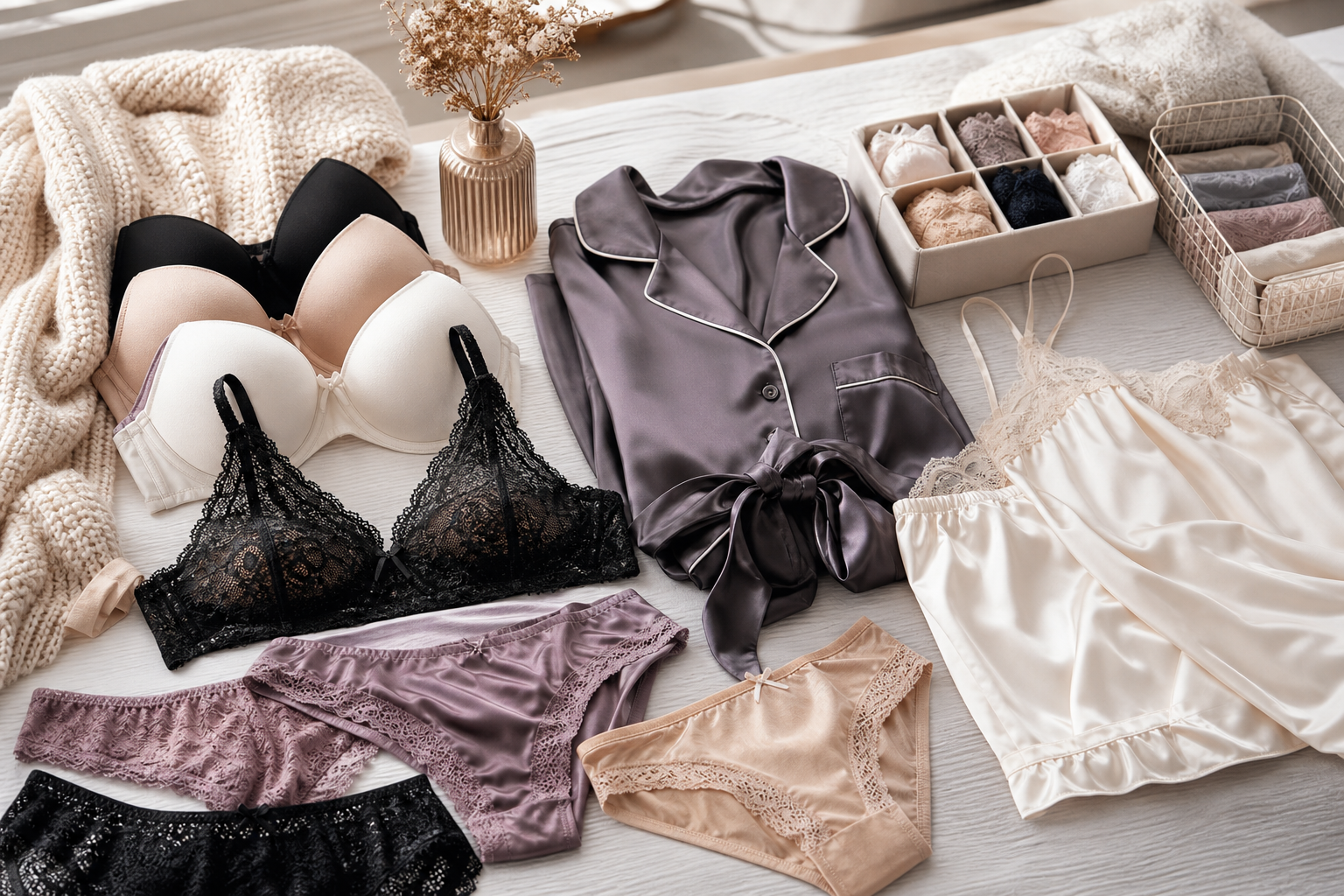
You see a product on Instagram. It looks perfect. The ad is polished, the reviews seem solid, you click "buy."
Three weeks later, you find the same thing on Amazon for half the price. Or worse, you realize it's a knockoff and the real version was validated months ago on Reddit by people who actually tested it.
You were late. And you overpaid.
This happens because most people don't understand how product trends actually move through the internet. There's a predictable cycle, and if you don't know where you are in it, you're going to get burned.
The Four-Stage Product Discovery Cycle
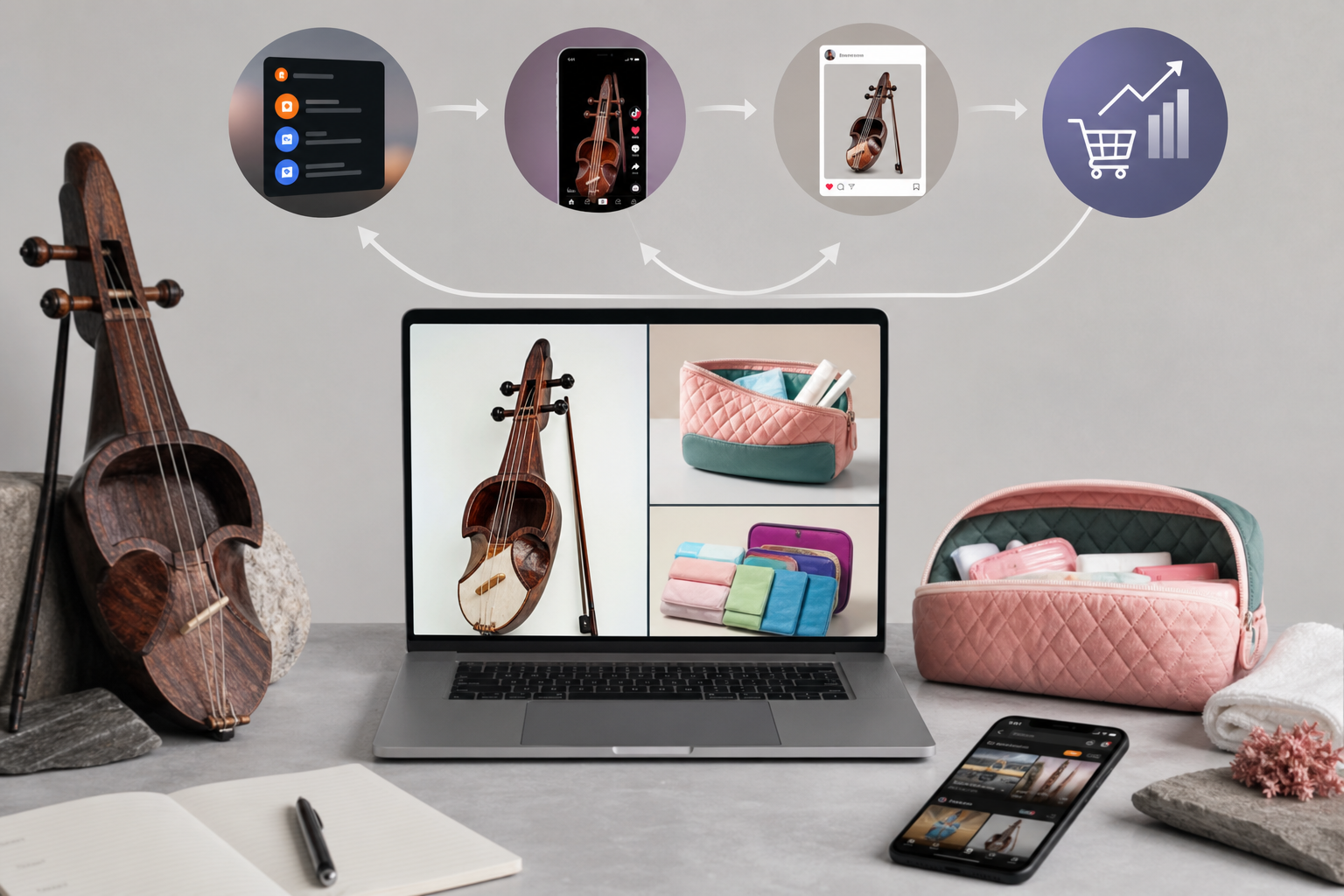
Every viral product follows the same path. It starts in niche communities, gets validated by early adopters, gets monetized by mainstream platforms, then gets flooded with knockoffs.
Here's how it works.
Stage 1: Reddit Validation (The Discovery Ground)
Products don't go viral by accident. They start in specific subreddits where people are obsessed with solving real problems.
Someone posts about a new phone mount that actually stays put. Or a kitchen gadget that makes meal prep faster. The thread fills up with questions, tests, comparisons. People buy it, report back, post photos.
This is where 88% of social users say Reddit influences their purchasing decisions. It's not because of ads. It's because the validation is real.
Reddit is the front page of the internet for a reason. Trends surface here first, then spread to Facebook, TikTok, Instagram. By the time you see something on Instagram, it's already been vetted by thousands of people who care enough to test it properly.
The problem is most people never see this stage. They're not in the subreddits. They don't know where to look.
Stage 2: TikTok Virality (The Golden Window)
Once a product gets validated on Reddit, it hits TikTok. Creators make videos showing how it works, why it's better than alternatives, what problems it solves.
This is the golden window.
Videos collect their highest surge in views within the first 1-5 days after posting, averaging around 9,400 views during that window. If you catch a product during this phase, you're getting it after enough people have validated it works, but before the hype markup kicks in.
The numbers tell the story. The hashtag TikTokMadeMeBuyIt has 75 billion views. 49% of users have purchased something they saw on TikTok. Creators are driving massive purchase decisions, and the products they feature are still priced normally because the mainstream hasn't caught on yet.
But the window closes fast.
Stage 3: Instagram Ads (The Markup Phase)
Once a product proves it can go viral on TikTok, brands and dropshippers flood Instagram with ads. The same product that was $19.99 on the creator's link is now $59.99 in a sponsored post.
Why the markup?
Instagram ads cost money. Businesses spend between $0.40 and $2.00 per click, and the average cost per thousand impressions sits at $8.16. During peak seasons like Q4 or holidays, competition increases and costs go up even more.
Someone has to pay for those ads. That someone is you.
By the time a product hits Instagram ads, it's already past its prime validation window. The early adopters bought it weeks ago. The TikTok creators moved on. You're paying 3x more for the same thing because you're seeing it late.
Stage 4: Amazon Knockoffs (The Flood)
The final stage is when Amazon gets flooded with knockoffs. The original product is still available, but now there are 47 versions that look identical, priced anywhere from 99 cents to $19.99.
Amazon stopped over 700,000 bad actors from setting up selling accounts in 2023 alone. They seized and disposed of over 7 million counterfeit products globally. But the knockoffs keep coming.
70% of consumers say they've been deceived into purchasing counterfeit products online. 52% of shoppers age 15-24 purchased a counterfeit item in 2022, and 37% of them knew it was fake when they bought it.
By this stage, you have two bad options. Pay full price for the real version that's been marked up, or gamble on a knockoff that might fall apart in a week.
Most people end up here because they didn't know where to look earlier.
Where to Actually Look and When to Buy
If you want to stop overpaying and stop buying knockoffs, you need to know where you are in the cycle.
If You Want to Be Early: Follow Reddit
Reddit shows up in 97.5% of Google Search product review queries. 42% of social media users say they trust recommendations found on Reddit more than any other form of recommendation.
Find the subreddits that match your interests. Look for threads where people are testing new products. Read the comments. Check if people are posting updates weeks later.
This is where you find products before they blow up. The downside is you have to do the research yourself.
If You Want Validation Without the Work: Catch TikTok Early
40% of Gen Z use TikTok as a search engine for products. They're not searching Google. They're searching TikTok to see real people using real products.
If you catch a product during the first week of virality, you're getting it after enough people have validated it works, but before the mainstream markup hits.
The trick is knowing which creators to follow and how to spot the difference between a genuine recommendation and a paid promotion.
If You're Seeing It on Instagram Ads: You're Late
Instagram ads mean the product has already been validated, already gone viral, and is now being monetized by brands who are paying for placement.
You're not discovering anything. You're being sold to.
That doesn't mean the product is bad. It just means you're paying extra for the convenience of seeing it in your feed instead of doing the research yourself.
If It's on Amazon with 50 Versions: Be Careful
By the time a product has 50 knockoff versions on Amazon, the original has been copied to death. You can still find the real version, but you need to check the seller, read reviews carefully, and compare materials.
This is the worst stage to buy because the signal-to-noise ratio is terrible. You're spending more time trying to figure out which version is real than you would have spent finding it earlier in the cycle.
The Curation Gap
The real problem is that most people don't have time to monitor Reddit threads, follow TikTok creators, and track products through the cycle.
They want the benefit of early discovery without the work.
That's the gap. Products get validated by early adopters, then they disappear into the noise of Instagram ads and Amazon knockoffs. By the time the average person sees them, the opportunity to buy smart is gone.
This is where curation platforms step in. The best ones catch products in the golden window, after enough people have validated they work, before the hype markup kicks in. They test materials, verify suppliers, and check compliance so you don't have to guess which version is real.
Quality curators reject products that don't pass scrutiny. A leather jacket listing that actually ships PU material? That gets caught before it reaches consumers. Most people don't catch these discrepancies until after they've paid and the product shows up.
The right platforms run authenticity verification, quality assurance, compliance checks, and pricing reviews before anything gets listed. If it doesn't pass, it doesn't go up.
The goal is simple: get you the product after it's been validated, before it's been marked up, and make sure it's actually what it claims to be.
Stop Being Late
You don't have to overpay. You don't have to buy knockoffs. You just need to know where you are in the cycle.
If you're seeing it on Instagram ads, you're late. If it's flooded on Amazon, you're really late. If you want to buy smart, you need to catch products earlier.
That means following the right communities, watching the right creators, or finding a curator who does the work for you.
The cycle doesn't stop. Products will keep moving from Reddit to TikTok to Instagram to Amazon. The question is whether you're going to keep showing up at the end, or whether you're going to start catching them when they're still worth buying.